Thresholds and Windows: Mapping Bankroll Rules to Bonus Triggers in Sports-Casino Hybrids
Harper Krause · Sep 24, 2026
Thresholds and Windows: Mapping Bankroll Rules to Bonus Triggers in Sports-Casino Hybrids
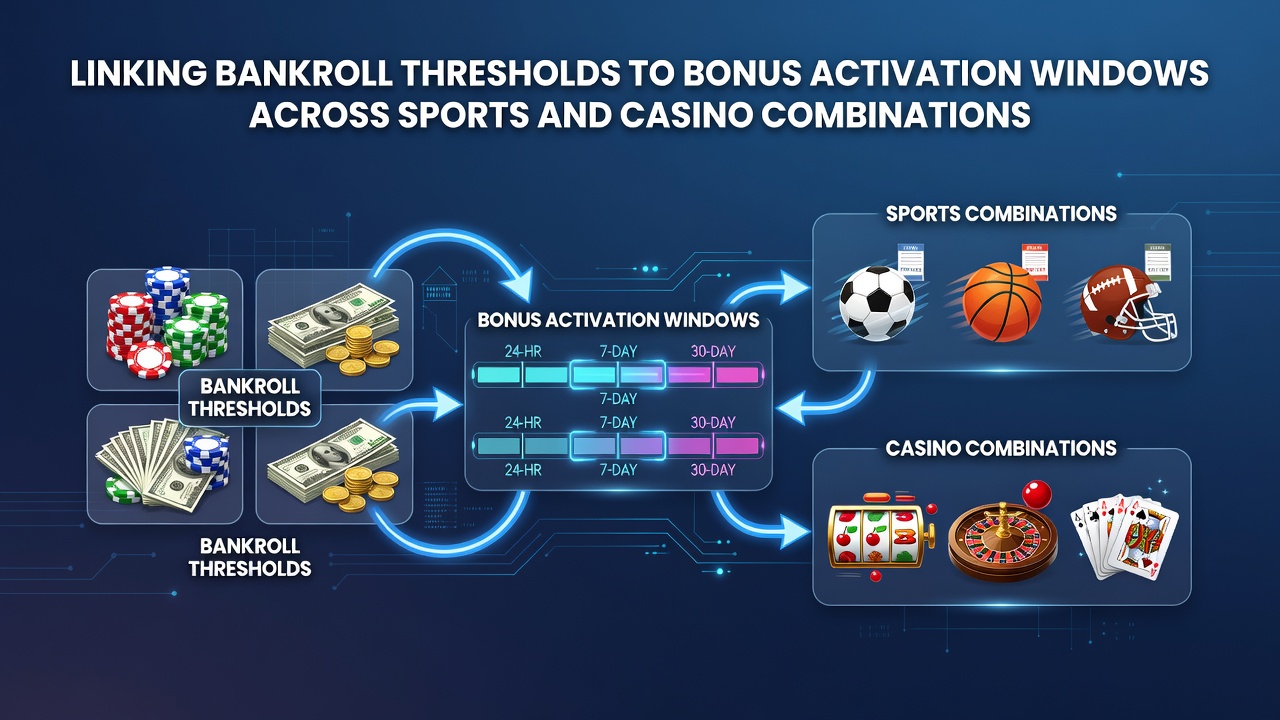
Operators structure bankroll thresholds as minimum balance levels that players must maintain before bonus features become available, and these requirements intersect with activation windows that define specific time periods when offers can trigger. Data from multiple jurisdictions shows that sports betting platforms often set lower entry thresholds compared to casino sections, yet the activation windows frequently overlap during promotional campaigns that combine both verticals.
Core Mechanics of Bankroll Thresholds
Bankroll thresholds function as calculated barriers that platforms enforce through account monitoring systems, and researchers have documented how these levels typically range from 20 to 100 units of the base currency depending on the operator and game type. In hybrid environments where sports wagers feed into casino bonuses, the threshold calculation incorporates both settled bets and active deposits, which creates a rolling balance that updates in real time. Observers note that September 2026 saw several North American platforms adjust these figures upward by an average of 15 percent following internal risk assessments released by state gaming boards.
Platforms apply different formulas when sports activity contributes to the threshold versus pure casino play, and this distinction matters because live betting volumes can accelerate balance growth faster than slot or table game sessions. A report from the Nevada Gaming Control Board detailed how operators track these contributions separately to prevent threshold manipulation through low-risk sports wagers.
Activation Windows and Timing Patterns
Activation windows operate as defined intervals, often spanning 24 to 72 hours, during which a qualifying bankroll unlocks the bonus, and industry data reveals that staggered windows across sports and casino sections reduce simultaneous claims while maintaining player engagement. Those who analyze operator systems have found that morning windows tend to favor casino bonuses, while evening slots align more closely with sports event schedules, creating natural separation in hybrid accounts.
Studies indicate that misalignment between thresholds and windows leads to higher abandonment rates, with figures showing up to 28 percent of eligible players missing activation because balances dipped below required levels during the window. Platforms counter this by sending automated alerts 30 minutes before window closure, and this practice became more widespread after regulatory reviews in multiple Canadian provinces during mid-2026.
Cross-Vertical Combinations in Practice
Hybrid operators link sports and casino bonuses through shared bankroll pools, which means a successful parlay on a football match can push an account over the casino threshold and activate a free spin window within the same session. Data collected across European markets shows these combinations appear in 62 percent of active promotional structures, according to analysis from the European Gaming and Betting Association. The second image below demonstrates how these linkages appear in typical player dashboards.
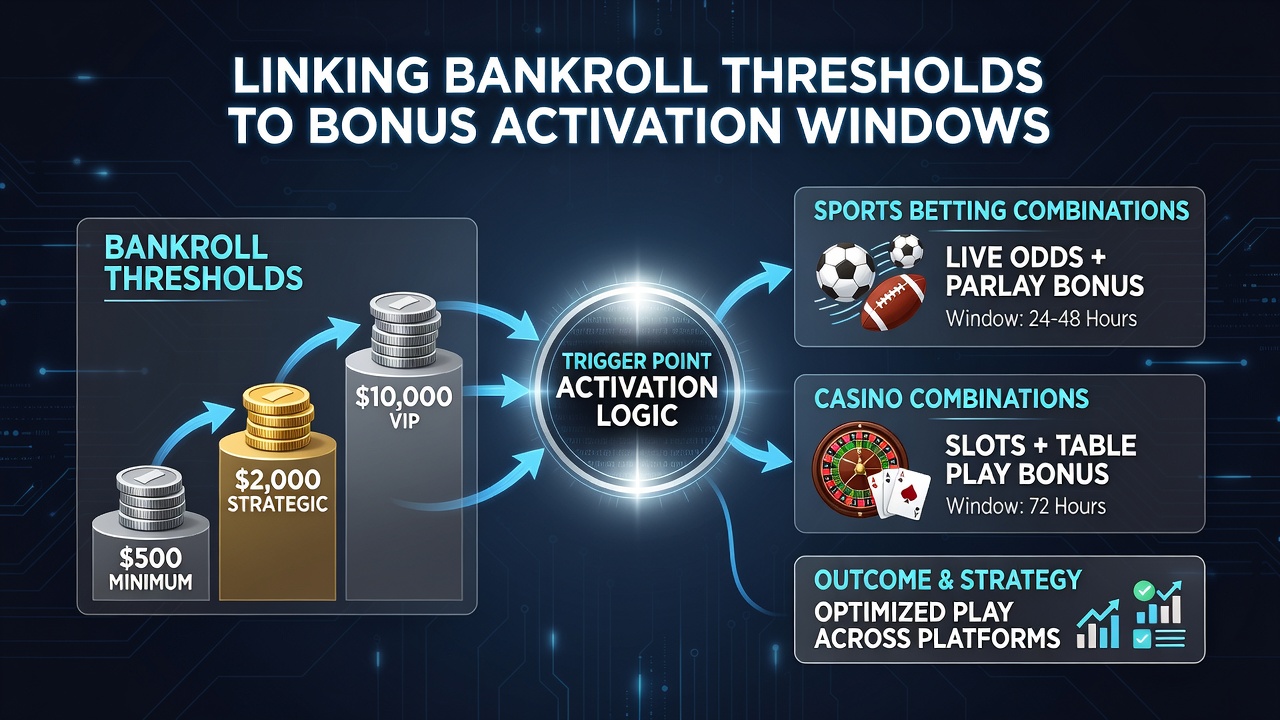
One documented pattern involves progressive thresholds where initial sports wins lower the casino activation bar for a limited window, and this mechanic encourages cross-play without requiring separate deposits. Research from iGaming Ontario indicates that such linked systems increased average session length by 19 minutes per user in the third quarter of 2026, though the same data set noted that players who crossed thresholds early often exhausted bonuses before the window closed.
Regional Variations and Compliance Data
Different regulatory environments impose distinct rules on how thresholds and windows must be disclosed, and platforms operating across borders maintain separate rule sets to satisfy each authority. In Australia, for instance, the Australian Communications and Media Authority requires clear separation between sports and casino bonus terms, which has led operators to publish detailed threshold calculators on their sites. Meanwhile, several U.S. states mandate that activation windows cannot exceed 48 hours when thresholds involve mixed verticals.
Academic work published by researchers at the University of Nevada examined 14 major operators and found that transparent threshold communication correlated with lower dispute rates, dropping complaints by roughly 34 percent compared to platforms using vague language. These findings align with observations from September 2026, when several jurisdictions updated disclosure standards ahead of major international sporting events.
Player Behavior and System Responses
Players who monitor their balances against upcoming windows tend to adjust bet sizing in the hours before activation, and tracking data shows increased activity in both sports and casino sections during these periods. Operators respond with dynamic threshold adjustments that can rise or fall based on overall platform volume, a technique that prevents over-redemption during peak times. Those studying these systems note that the approach maintains profitability while still delivering the advertised bonuses to qualifying accounts.
Case examples from multi-state operators reveal that combining a modest sports threshold with a longer casino window produces higher conversion rates than uniform structures, and this pattern held steady through seasonal fluctuations observed in 2026. Automated monitoring tools flag accounts that repeatedly approach but miss thresholds, allowing targeted communications that explain remaining requirements without revealing proprietary algorithms.
Conclusion
Linking bankroll thresholds to bonus activation windows creates structured pathways that operators use to manage risk across sports and casino offerings, and available data from regulatory bodies and industry reports demonstrates consistent patterns in how these elements interact. As platforms refine these mechanics, the relationships between balance requirements and timing windows continue to shape player participation across different regions and product combinations.