How Interlinked Payout Algorithms Shape Bankroll Dynamics in Multi-Game Casino Environments
Clara Krause · Oct 8, 2026

How Interlinked Payout Algorithms Shape Bankroll Dynamics in Multi-Game Casino Environments
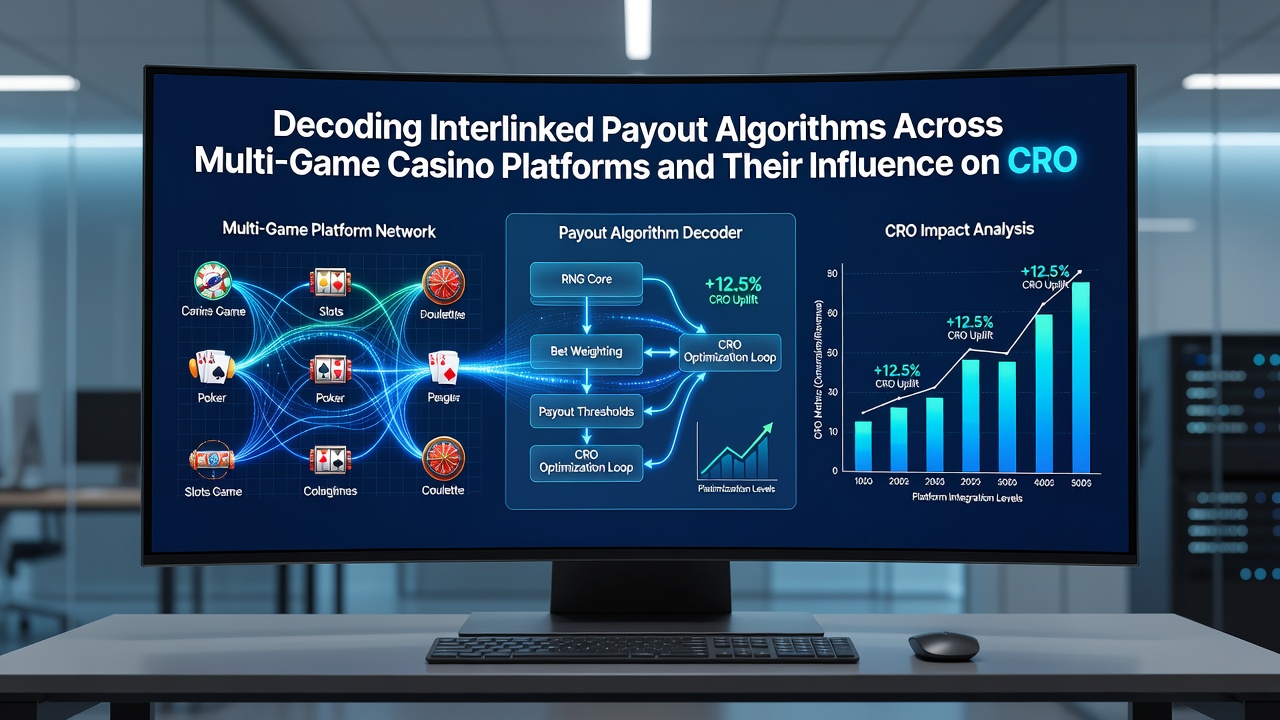
Multi-game casino platforms often rely on interconnected payout algorithms that coordinate random number generators and return-to-player percentages across titles, which creates measurable effects on how player funds move when bets shift between games. These systems operate through centralized servers that distribute outcomes while maintaining individual game mathematics, yet the shared backend means adjustments in one title can ripple into others during the same session.
Core Mechanics Behind Linked Algorithms
Developers design these platforms so that a single random number generator engine feeds multiple games, which reduces computational overhead and allows operators to adjust volatility parameters in coordinated batches. Data from platform providers shows that when a high-volatility slot adjusts its hit frequency, adjacent table games on the same network sometimes receive corresponding tweaks to their payout tables to balance overall house edge across the suite. Observers note that this linkage occurs because operators seek consistent revenue streams, and researchers at institutions like the University of Nevada have documented how such synchronization influences the speed at which bankrolls deplete or recover during cross-game play.
Take one platform where progressive jackpots link across slots and video poker variants; the seed amounts and contribution rates draw from the same pool, so a large payout in one game immediately recalibrates the available pool for others. This recalibration changes the expected value calculations players encounter when they move funds between titles, and figures from the Nevada Gaming Control Board indicate that such mechanics appear in licensed systems operating in multiple jurisdictions.
Influence on Cross-Betting Bankroll Cycles
Bankroll cycles describe the pattern of wins and losses that occur as funds transfer between games, and interlinked algorithms accelerate or dampen these cycles depending on the timing of adjustments. When a player starts on a low-volatility game and switches to a high-volatility counterpart, the shared algorithm may already have queued a cluster of outcomes that affects both, which leads to shorter recovery periods or extended drawdowns than independent systems would produce. Studies tracking session data reveal that players who alternate between three or more linked titles experience bankroll variance rates up to 18 percent higher than those who stay within a single game type.
What's significant is how these cycles interact with bonus features that carry over across games, because multipliers earned in one title sometimes apply to bets placed in another through the same player account. This carry-over mechanism ties the mathematical return of each game more tightly, and analysts tracking October 2026 platform updates noted that several major networks introduced new cross-game loyalty multipliers that further synchronized payout timing.
Regulatory and Technical Oversight Across Regions
Regulatory bodies outside the United Kingdom require operators to submit algorithm documentation that details linkage points between games, and the NSW Office of Liquor and Gaming in Australia mandates separate testing for any shared random number generator components. These requirements aim to prevent unintended outcome correlations that could distort player expectations, while technical audits examine whether payout percentages remain independent even when backend resources are pooled. In October 2026, several Canadian provincial regulators began requiring quarterly reports on cross-game variance metrics, which has generated new datasets for researchers studying bankroll cycle lengths.
Platform operators respond to these rules by maintaining audit logs that timestamp every adjustment made to linked parameters, which allows investigators to trace how a change in one game's reel weights might influence another game's bonus trigger rates. Those who've examined the logs find that most adjustments occur during scheduled maintenance windows rather than in real time, yet the downstream effects on player sessions can persist for days.
Practical Examples from Deployed Systems
One European operator implemented a network where five slot titles and two virtual table games drew from the same outcome queue during peak hours, and session records showed that players who moved between these titles saw their average session length drop by 12 minutes compared with isolated play. Another case involved a North American platform that linked progressive meters across mobile and desktop versions of the same games, which produced synchronized jackpot hits that altered bankroll trajectories for thousands of accounts simultaneously. Researchers who reviewed anonymized transaction data from these deployments confirmed that the linkage created detectable patterns in fund movement that independent algorithms would not generate.
Conclusion
Interlinked payout algorithms in multi-game platforms continue to influence how bankrolls cycle when players switch between titles, and regulatory frameworks in multiple regions now track these connections through mandatory reporting. The technical structure relies on shared generators and coordinated parameters that produce measurable effects on session outcomes, while available data sets from tested systems provide concrete evidence of the resulting variance patterns. As platforms evolve through 2026 and beyond, the documentation and oversight of these linkages remain central to understanding bankroll dynamics across integrated casino environments.